Summary Klune

What we enjoyed:

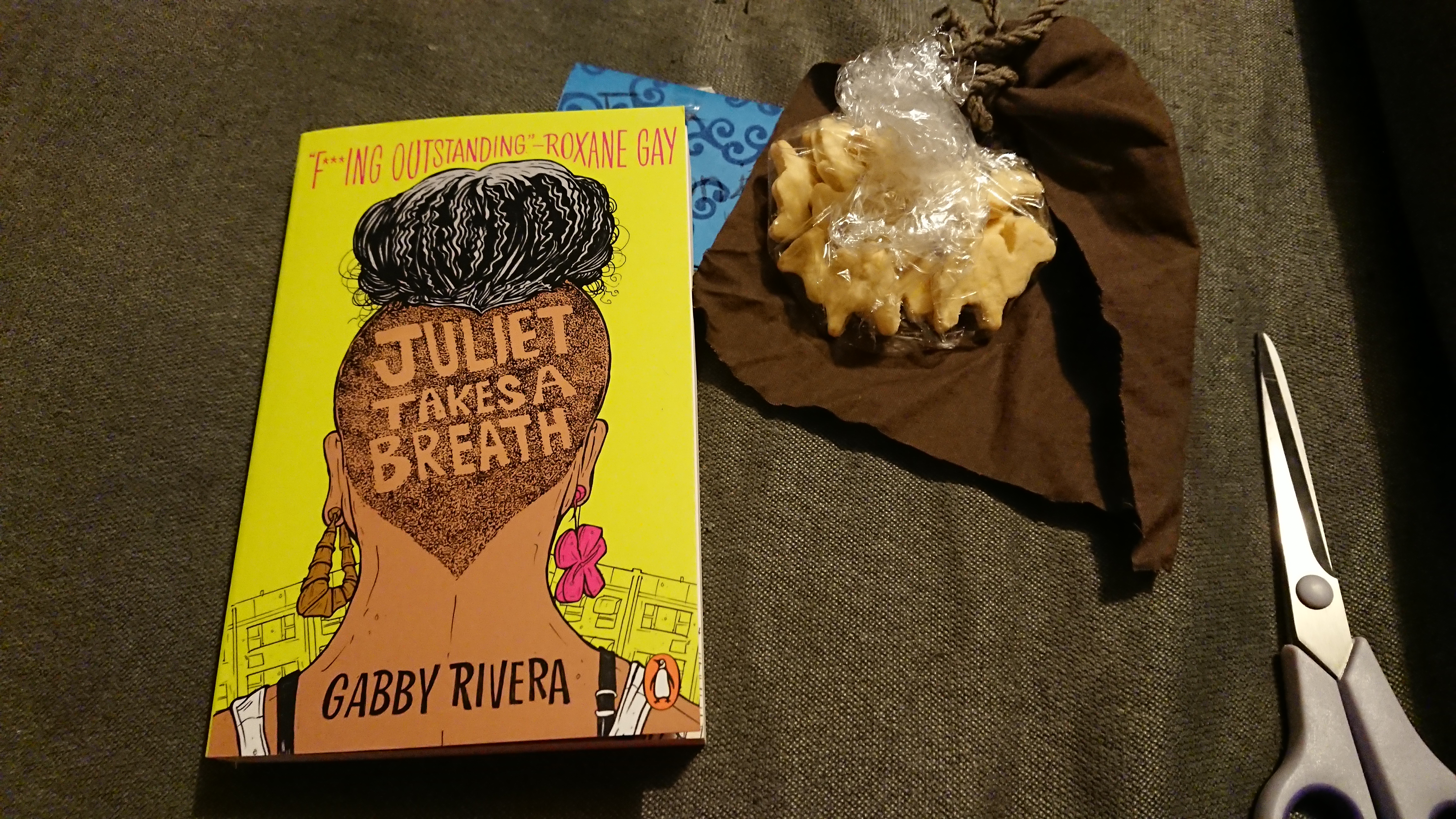
  • Found family trope, always a favourite; family dynamic very realistic
  • Dynamic between the children great, felt like siblings, hilarious, very enjoyable
  • Zoe cool!
  • Character constellations were great
  • Wyvern / mini dragon<3
  • Wholesome
  • We grew very attached to the children
  • Thalia, Lucy are favourites!
  • Children the best part of the book
  • Character dynamics, SO funny
  • Klune shows how much damage other people can have on other people –> “you can’t do this” adds up and is harmful; hopeful message
  • Protagonist soft-spoken, middle-aged man, without particular talents –> fits well into the busy well in the busy world of the orphanage
  • Descriptions of the children, living together as a family, “you could fall right into the story” –> we also want to go to that island and spend time with them
  • S. as a good example for how much damage can be done by treating children badly just because people are scared of them; great character development
  • Finding a home, arriving at a home
  • Light and dark imagery very well done: protagonist stuck in the rainy, grim darkness –> island: happiness, everything is bright, the ocean and sky sparkle
  • Great character development –> becoming alive
  • Transformation of Linus believable and so sweet –> he learns what matters in life, struggles with that
  • Queer relationship not focussed on teeangers –> middle-aged adults
  • Magic system: we don’t have one, but kinda cool. Different magical beings and powers unexplained, but it fit here –> being open and accepting of everything –> inclusive
  • Hard to let go of past self and embrace something new
  • Reminded us of 1984 (bureacracy quite absurd), Momo, Terry Gilliam movies like “Brazil”, Douglas Adams –> pastiche of it all?
  • Interesting connection between grim descriptions and funny slapstick
  • Arthur always called Linus “Dear”, which was very cute; they also got together right in the end –> good timing
  • Overly dramatic but in a nice way!
  • Linus annoying because it took him ages to commit to changes but also very authentic –> it is hard to turn your entire life around –> authentic for an introvert –> how he thinks vs. how he acts –> takes courage to act upon them
  • Surprising plot, we didn’t forsee the end!
  • “I really loved it, yeah”
  • The children got a say in Linus staying — great message to include the children in that kind of decision –> not ‘just’ a romantic ending –> family
  • Arthur and Linus’ ending was sweet: “meet that one person to spend the rest of their lives with” –> have a final ending –> they can settle down –> build a life together –> WITH the children
  • Gave us hope (which we badly need(ed))

What we discussed:

  • Linus also a bit annoying and a coward in some cases; “just get a grip” and you do you!
  • Lacked originiality because it owes a lot to other works (for some of us)
  • World-Building a bit lacking –> American or British or neither? Why has the world developed this way? Why does everybody hate magical beings? Where do these sentiments come from?
  • Terribly corny in the end (but we also loved that), almost too sweet to digest
  • Constant patronisation –> educate children and reader –> sometimes too obvious, too much of a TED-talk on how you should live
  • Baffling how the children were depicted –> age and level of maturity did not always correlate –> explained: Lucy wiser than he should be because he’s technically not 6yo; teenager immensly shy and thus not as outspoken as one might expect, mutters things and is traumatised and does not want to speak up
  • Took a while to get properly hooked with the book, without the reading group a person would’ve probably not continued reading because it was so bleak and depressing –> arrival at the island: fascinating and exciting
  • Linus overly afraid of Lucy a bit too much; not that relatable; overdoing it; quite clear from the beginning that Lucy uses dark humour to tease everybody –> was quite clear that it was just a ‘game’ and not reality for Lucy
  • Ending disappointing for some –> got super corny, not surprising as we all expected him to stay on the island; super enjoyable and wholesome though –> bit predictable –> we needed that focus on something wholesome and being kind
  • Speech at the end was a bit too much, but overall we really looked forward to that ending because we didn’t want anything to go wrong, we wanted that happy end

Other books we talked about:

  • “Tales from Verania” series by Klune: wizard apprentice in love with knight’s commander; funny, more explicit in terms of the romance scenes, packed with sexual puns; makes fun of all the fantasy stereotypes that there are, “I laughed tears, it’s really really funny” –> audiobook very good, “there’s also a hornless gay unicorn”
  • “Green Creek” by Klune: werewolf pack –> romance story; four books with different protagonists
  • “The Extraordinaries” by Klune: YA, sweet, ADHD, superhero fanboy, wholesome
  • “Gideon the Ninth” by Muir: “hottest piece of speculative fiction that I have read in quite a while” (action-wise), stolen a lot from “Dune” + Gothic
  • “Priory of the Orange Tree” by Shannon: “THE BRICK”; interesting but not overly original fantasy novel; plays with dragons and world-building; queer romance
  • “Carry On” by Rainbow Rowell: gay Harry Potter fanfiction, amazing
  • Cutest short story about two very queer people; https://www.goodreads.com/book/show/34732711-knit-one-girl-two –> check out #other-books-you-read
  • “Mord in Sunset Hall” by Leonie Swann: German, set in an English village, five elderly people investigating the murders, very weird bordering on bizarre, reminded a lot of “Howl’s Moving Castle”, tame pet toirtoise ❤
  • “The Rat Queen”: comic, typical fantasy cast, high fantasy with low fantasy humour, surprisingly funny; female gaze incredible! https://www.goodreads.com/book/show/20299683-sass-sorcery

THANK YOU SO MUCH! I AM SO GLAD YOU LIKED THE BOOK! ❤

Summary “The Midnight Bargain” (Polk)

What we enjoyed:

  • Period drama, main characters cool, especially Nadi great
  • Nadi a great spirit, very materialistic: “Give me cake!”
  • Very different than other books
  • Period drama with fantasy: refreshing
  • Really really enjoyable, “never read anything quite like it”
  • Collaring women, incredibly powerful image –> arranged marriage, give everything up to be just “wife” and “mother” –> all the vibrant things are gone
  • Also reminding us of Georgette Heyer (1902-1974)
  • Collar symbolism was a bit much for some
  • One of the characters chose to be a scholar, does not want a marriage etc.
  • Emancipation story combined with sexual desires (main protagonist)
  • Diverse depiction of women, feminist struggles
  • Traditional ideas of femininity vs. having a career –> negotiated in the novel in a smart way
  • Message also: look what women can do when they have the chance
  • Magic system cool; do magic with your whole being = breathe, focus, conjure spirits
  • Spirits and making bargains really cool
  • Interesting references to other countries; other countries superior to this “England”, power relations interesting; sec. world India interesting
  • Bridgerton Vibes
  • Realistic depiction of having a younger sister: strong bond but also competition
  • Nadi ❤ Annoying at first, then cute and fun
  • Ianthe’s sister cool
  • Feminist book with a clear agenda, it’s about having a feminist choice
  • Ianthe reminded us of the husband in Kowal’s novel: ally, side-character-ish? (Mirrors what women were in many novels, standing-by and being there for the protagonist)
  • “As a Buddhist, i found the portrayal of joy of embodiment really nice, which the spirits are after. The struggle with the childlike spirit resembles the relationship with the inner child we all have and it is solved nicely by the main character.”

What we discussed:

  • World-building weak in parts; very close to primary world; magic also sometimes unclear; card game??? –> Cricket, Poker? We are lost!!
  • Rushed ending, too much at once
  • Wedding not described, robbed us of the moment sadly –> some more pages would have been nice
  • Regency Era Style wasn’t for some of us (others really liked that)
  • Many male characters super annoying; hated them with all my heart
  • Women as breeding stock crass
  • Ianthe annoying and cool –> bit blunt; an ally but doesn’t check his privilege
  • Ianthe falling in love right away weird
  • “I hate instant love stories” –> Romance trope
  • Father unlikeable, patriarchal traits based on his own lack of success; pater familias when he is out of controle; disregarded his daughter –> cannot accept advice from his daughter
  • Harriet cool but also annoying, lacks depth; in the end: she gets what she wants; interest in pursuing magic cool; too young; her having a choice is nice
  • Some of us are not a fan of the romance aspects
  • Writing style hard for some of us (and Jane Austen too, so that might be the reason)

Other books we talked about:

  • Burroughs: “Cities of Red Night” –> Pirates 18th century, radioactive epidemic, detective –> Weird; very visceral
  • Rio: “If We Were villains” –> a bit like “Secret History”, we know who was killed but we don’t know why
  • Sanderson: “The Emperor’s Soul”: What makes a person? A forger is tasked to recreate the Emperor’s identity as he has been gravely injured by assassins. Great!! (Hugo Award Winner!)

Summary “Stardust” by Neil Gaiman

What we enjoyed:

  • Fairy tale was very well done, also language-wise
  • Plot-twist at the end wasn’t that surprising
  • Different perspectives, well done
  • Characters complex, messy relationships, sassy star, Tristran taking everything in stride, dynamic between them entertaining
  • Favourite scene: Fallen Star –> Swearing, ouch; slapstick moments, touch of realism in that fairy tale world
  • Gaiman is a great storyteller, story well crafted, language fits the setting, special fairy-tale magic in language, language almost feels old-fashioned, sets the tone well from the very start
  • Interesting how our world is combined with the fairy tale world –> primary vs. secondary world interesting
  • Smart story
  • Deals well with stereotypes, fairy tale fantasy subverted, very entertaining moments, climax very well done
  • Character development great
  • Fairy Tale for adults, subverted, very funny
  • Tristran a dick at first, but grew to be cooler, well done
  • No stock characters in the end; also social realist style; beings that could exist in our real world; not just a damsel in distress, a prince, a villain
  • Star also goes through very cool character development, manages to take on a very responsible role in the end; growth
  • Travelling in the end very cool
  • Romance enjoyable
  • Setting: how it is established is very well; references to Dickens is cool –> makes it really realistic; when the story starts (Tristran’s father) stock characters with a stereotypical start; fairy tale is subverted as the main asset of the story
  • Seven Brothers: poison, trickery vs. Female Witch: straightforward knife –> subverting stereotypes
  • Tristran learns that women are more than objects
  • Idea of a Wall cool: Otherworldly crossing over into Fairy, we would like to go to that market
  • Market scene also reminds us of HP 4 where there is this fair before the Quidditch match
  • Tropes are subverted, which is lit
  • Tristan and Iseult reference fun!

What we discussed:

  • Tristran’s father kind of a dick, first chapter therefore not so cool –> meant to introduce Wall & Tristran’s backstory, quite boring –> luckily the book changed 😀
  • First chapter meh, took a while to get to the actual characters, first chapter sorta random but needed for the plot twist in the end
  • Kitsch a bit too much in parts
  • Vulgar aspects felt out of place? Fairy tale illusion broken
  • Tristran as focaliser great, glad it’s not his father
  • Some of us prefer other Gaiman novels; “Sandman” has same approach: post-modernist fantasy + horror –> felt more memorable; (whole set in the ULB / German Departmental Library)
  • First chapter fun if read as satyre –> makes fun of all the fairy tale / otherworldly stories
  • Rereading the book: one gets all the clues, sees all the little details –> much more enjoyable thus
  • Tristran not very likeable at first too! He’s kinda dumb?!
  • Compare the depiction of male / female fairies in this one to older and newer depictions; gendered powered dynamics interesting to look at
  • Witches: fit into the setting, very evil, stereotypical fairy-tale, nicely fleshed out, more horror than usual (not very Disney)
  • Tristran: Victorian style makes it hard to really feel, he remained a bit bland
  • Star: interactions with Tristran hilarious, but there was room for more; has voice; insults hilarious
  • Victoria: Tristran holds on to her for far too long –> pre-conceived idea he holds on for far too long; Victoria very pragmatic; hero is an idiot, but she won’t break her promise (even though she all thinks of it as a joke) –> we readers also don’t take Tristran seriously
  • Tristran annoying on his journey, very oblivious to reality!?
  • Omissions throughout the novel weird: What is that Brotherhood? Who are the mentioned adventurers? –> added mystery to the story, but also frustrating that it wasn’t properly explored

Overall impression:

  • 4/5: nice story, good fairy tale, nice character development, not that surprising, great book, enjoyable
  • 5/10 in comparison to other Gaiman works, e.g. “American Gods” or “Sandman”, too kitchy for this person; has some great qualities, but there could be more; but “Neverwhere” was worse?!
  • 3/5 (not finished yet), other Gaiman books are better in comparison? “Neverwhere” was nice though! 😀 “Stardust” enchanting, cute, fits the season
  • 3-4/5: fairy tale aspect, bits and pieces of subversion was great, enchanting, very good read during the season, nice in pandemic times to read something happy-going, not too serious and complicated, sweet
  • 3/5: fine, fun, will not be reread in the near future
  • 4-5/5: hilarious, better on the second read, subversions excellent, nice take on fairy tales, enchanting/magical
  • others have yet to finish reading the book 🙂

Other nice books we read:

  • The Haunting of Tram Car 015 (2019) by P. Djèlí Clark: Steampunk Cairo, great, should be longer
  • Sequels to Arden’s “The Bear and the Nightingale”: very enjoyable, Russian folklore, perfect winter read, makes you feel the cold
  • “His Majesty’s Dragons” by Naomi Novik: heavy focus on military tacticts, politics, fighting with dragons
  • “Dreadnought” by April Daniels: trans superhero ❤
  • “The Betrayals” by Bridget Collins: dark, weird, slightly queer?, dystopian!
  • “Lies of Locke Lamora”: great audiobook (in German), fun, great story, well crafted so far, cool characters, heist story nice, cursing wild
  • “Vicious” by V.E. Schwab: used it for a term paper on anti-heroes, liked it a lot, not perfect, but some good aspects, superheroes/anti-heroes, superpowers, villains, turning things upside down
  • “Gideon the Ninth”: sequel with unrealiable narrator even better! “Lesbian necromancers explore a haunted gothic palace in space! Decadent nobles vie to serve the deathless emperor! Skeletons” kinda summarises it nicely; Marthe loved it, but beware: it’s 80% confusion!
  • “To Kill A Kingdom”: standalone (great!); first disliked then it got better; really cool, quick read; sirens / mermaids / pirates, NICE
  • “On the Come Up” by Angie Thomas: YA
  • HG Wells “Time Machine”, “Island of Dr. M.”, “Invisble Man”, “War of the Worlds”: great and very influential sci-fi, especially “The War of the Worlds” is great, predict 20th century developments while shrewdly commenting on the Victorian age when he wrote these books!
  • Hemingway “A Farewell to Arms”: experiences during WW1, Italy; feels like a mixture of a travel narrative and a war story, wholesome!??!?! (not during the war parts)
  • “Gun Island” by Amitav Ghosh: climate change, expected more dystopia, touch of magical realism, Venice
  • Podcast about books: “Overdue” — two friends who talk books they had wanted to read for a long time; talk about all kinds of books; “Mist of Avalon”, “Beloved”; great way to experience those books that I always wanted to read but am honestly not gonna read

THANK YOU FOR THE GREAT MEETING! See you tonight at 8pm for the movie night (why not buy some Woki popcorn to get the right BSFG movie night feel?) or tomorrow for our Movie Friday with “Jingle Jangle” 🙂

Summary Herbert: “Dune”

What we liked:

  • World-building is superb: Economy, politics, fantasy tropes are handled as part of the world-building
  • Death and world-building even surpasses “Lord of the Rings” for some of us, it is deeper than “Game of Thrones”
  • Complexity reminded us of books like “Lord of the Rings”
  • Very original
  • Characters have prescience, can guess at the future; very good at analysing people
  • Plot twists or surprises still possible
  • Chapters start with other pieces of writing that expanded the story
  • Great quotes
  • Deviates greatly from other sci-fi novels, daring world-building
  • Barren desert planet comes alive through the narration, has its own ecosystem
  • Lack of water can be found everywhere: language, traditions, culture, world-building, also showcases the otherness of Paul
  • Paul is a force of his own, ‘hero’ of his own making, always has plans and tries to change things for the better, son of a politician and one can see that, reasonable depth
  • Fremen culture based on Islamic cultures; Herbert researched it well (depiction also partly problematic), daring, 2020 movie excludes the term “jihad”; Fremen cool, highly capable people, more than stereotypes
  • Paul has special abilities which are part of the world-building, awareness of his fate
  • Some of us will read the sequels, others won’t
  • Worms really cool

What we discussed:

  • Motivation of the Doctor a bit weird and not convincing, simple hostage dilemma not that convincing
  • Pacing of the plot could be better, beginning extensive, ending rushed
  • Some characters a bit blunt: Paul sometimes your average fantasy chosen one
  • Duncan Idaho and Gurney felt interchangeable for some, Harkonnens: paper cut villains, creation of characters is a weakness
  • Paul more active than the other characters; focalization influences how the evil guys are perceived
  • Not very immersive character-wise, Paul pretty cool, used to a different narration (YA more immersive)
  • Paul the hero in the first book, but it is more complex than that in the sequels
  • Chosen one business based in different myths, not an Arthurian hero, also loads of tropes
  • White saviour figure highly problematic, but the novel is very old and the Fremen are not a stereotypical depiction, still cultural appropriation problematic, Paul goes native, but still the Fremen consider him their messiah
  • DNA, breeding, genes; feels very problematic; people just bodies to be bred; people as tools à create superhumans (breeding computers); eugenics dimension highly problematic in the sequels
  • Gender binary annoying
  • AI ban weird, fear of computers unexplained
  • Aircrafts weird, why no weapons in it?! Illogical! Tactics weird. Why swords/close combat and no pistols? (Evil computers weird explanation.) Future going full feudal weird!
  • Late stage sci-fi society going feudal cool, but explanations could be better
  • Hard to get into the book, partly struggling during the read
  • Not telling the reader but Paul knows it, is annoying

The best article (according to Marthe) which addresses some of the issues with the novel (SPOILERS): https://www.tor.com/2019/03/06/why-its-important-to-consider-whether-dune-is-a-white-savior-narrative/

Marthe is also reading all the sequels (currently Dune #5) and will publish a little review here when she is done!

Thank you for the great meeting and managing to read that big book in time!

“Reread a previous BSFG read” – Summary

Thank you for attending! Here are some comments & ideas of people who read a previous read/ sequel or other cool book they wanted to talk about. Maybe pick one up?

  • “Book of the Unnamed Midwife” (Elison): impressive, thought-through, scary feminist post-apocalypse
  • “The Long Way to a Small, Angry Planet” (Chambers)”: reread, no hard sci-fi, “made me read more sci-fi”, really good, wholesome
  • “Do Androids Dream of Electric Sheep (Dick)”: book better than the movie, very interesting sci-fi, movies different than books but good in their own way
  • “The Wee Free Men” (Pratchett): best novel to start with the Discworld novels, no prior knowledge needed, hilarious, witches, little angry Scotsmen, deconstructs fairy tales and tropes, hilarious; Discworld reading order choices here (chronologically, standalones, thematically, for younger readers –> “Wee Free Men”): https://www.discworldemporium.com/content/6-discworld-reading-order –> Marthe recommends reading all the Tiffany books and then starting off either chronologically or thematically
  • Sequel to “An Absolutely Remarkable Thing” called “A Beautifully Foolish Endeavour” (Green): thoroughly enjoyable; good sequel; book has answers to all our questions / criticism, April less annoying and superhero-ish, appears more natural, Carl background cool, various POV, great pacing, FUN, read it
  • Sequel to “The Watchmaker of Filigree Street” called “The Lost Future of Pepperharrow” (Pulley): thoroughly enjoyable, emotional rollercoaster, great worldbuilding, Japan, Katsu ❤
  • New book by Meg Elison “Find Layla”: YA, poverty, parental neglect, harassment in school and via social media, very impressive but trigger warnings apply

Books unrelated to BSFG:

  • “The Caves of Steel” (Asimov): Robots, mystery, murder, old school sci-fi, feels modern, interesting
  • “The Hollow Ones” (Guillermo del Toro: Sherlock Holmes-like character, modern supernatural thriller, lacks substance, entertaining
  • “The Immortal Rules” (Blood of Eden #1) (Kagawa): vampires, humanity wiped out, main character turned Spoiler), Asian lead, thrilling; reminds us of Justin Cronin’s “The Passage” (+ sequels) which is also a recommendation
  • “The Priory of the Orange Tree” (Shannon) also called THE BRICK: thoroughly enjoyable, diverse characters, feminist, great world building, takes it slow, very immersive, full of hidden little references (Old English names inspired names etc.)
  • “A Memory Called Empire” (Martine): Marthe recommended it a lot; really great; fun; but what’s the deal with poetry in this great sci-fi?
  • “Oryx and Crake” (Atwood): very good dystopia
  • War and Peace (Tolstoy): The way Tolstoy describes battle, characters, and the world in a way that reminds one of the “Game of Thrones” series (Martin) — interesting!

I am looking forward to talking to you about “Dune”, our November read! 🙂

Winter Dates + Movie Mondays

Meetings:

22.10., 4pm “Read a previous BSFG book”
3.11., 4pm Frank Herbert “Dune” + “Dune” (1984)* movie night at 8pm
3.12., 4pm Neil Gaiman “Stardust” + Movie Night “Stardust”* 8pm
7.1.21, 4pm tba
4.2.21, 4pm tba
4.3.21, 4pm tba

Meetings take place via the voice chat of our Discord Server.

Coping-with-Corona-Movie-Nights (movies voted for by the group):

Halloween: 19.10. Hotel Transylvania; 26.10. Ghostbusters, 2.11. Ghostbusters (2016)
Autumn: 16.11. Sleepy Hollow; 23.11. Klaus 30.11. Charlie and the Chocolate Factory
Christmas: 14.12.
Dystopia: 11. + 25.1.2021
Fairy Tale: 8. + 22.2.2021
Space: 8. + 15.3.2021

Press PLAY at 8pm sharp and then chat away using our Discord Server!

* These movies are not available via Netflix, however, you can watch them for free during a free trial version, so that should be okay, I hope.

Thank you, Lisa, for this beautiful flyer! ❤